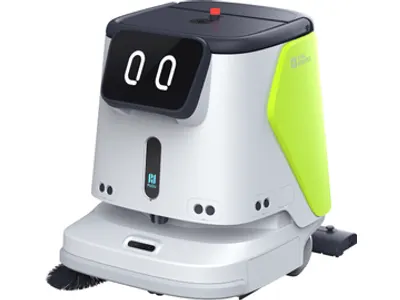
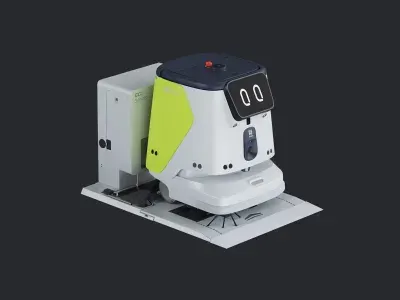
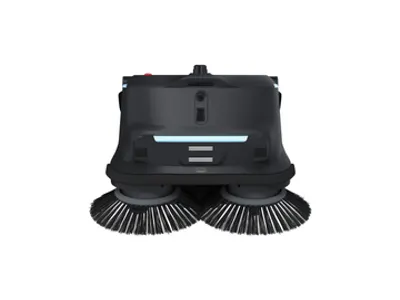
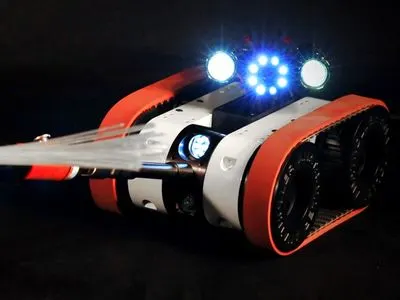
Every autonomous floor scrubber, robot vacuum and sweeper we could find for offices, shops, warehouses, hospitals and airports, plus window, solar panel, pool and UV disinfection robots. Specs, prices where they are published and what each one is best at.
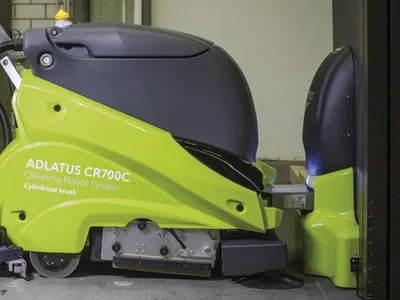
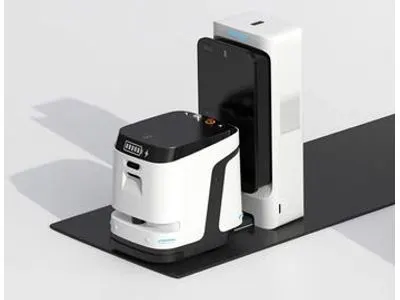
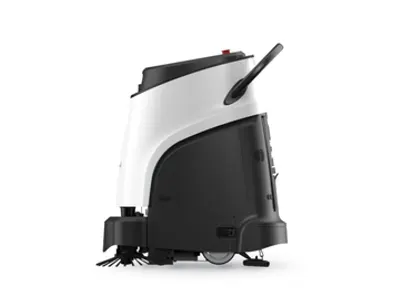
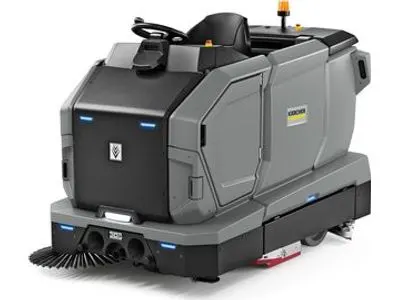
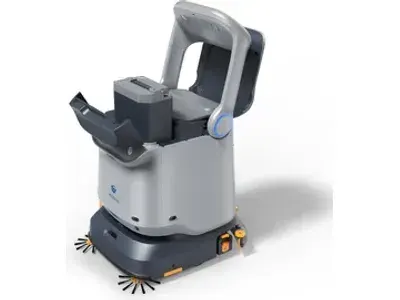
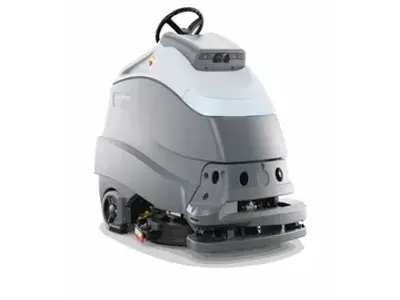
A German autonomous cleaning robot for industry, logistics and airports, in roller (C) and disc (D) versions. Can use a service station for unattended operation.
Area per charge about 4,000 to 5,000 m² (original); 10,000 m² (CR700D)
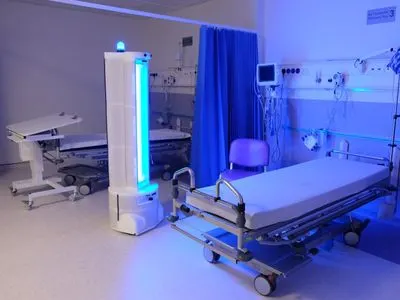
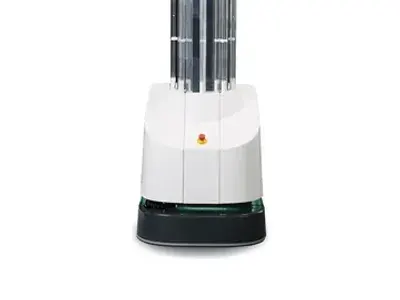
An Irish autonomous decontamination robot designed to work safely with people nearby, switching its UV light off when someone is in its path. Aimed at hospitals.
Time claim about half the time of standard room decontamination (company)
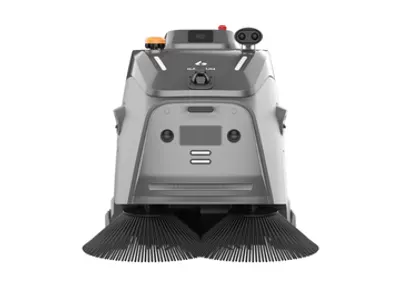
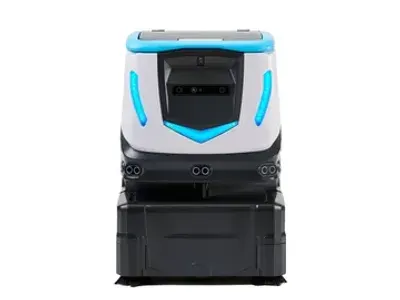
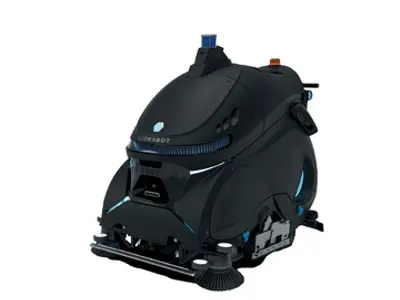
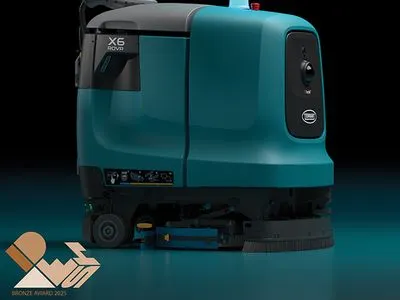
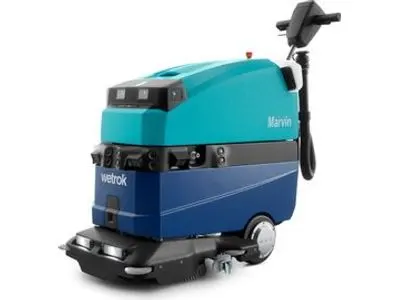
A large, fully autonomous scrubber-dryer built from the ground up as a robot, with fleet software and remote support. For airports, warehouses, malls and big retail.
Coverage up to 3,900 m²/h (theoretical)
Cleaning head 24 or 32 in cylindrical; 26 or 32 in disc
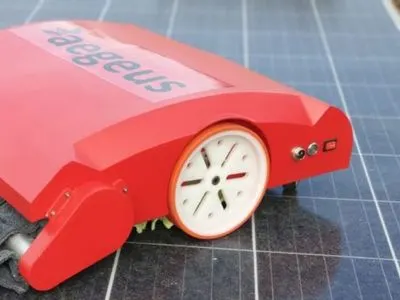
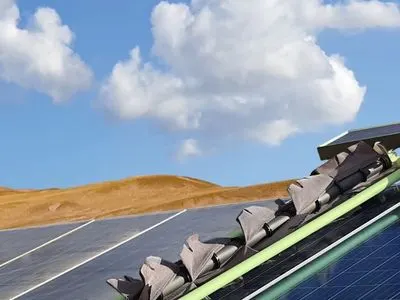
A water-free robot that lives on a solar row and cleans it automatically each night with microfibre and airflow. Designed for utility-scale ground-mount plants.
Coverage 1 km in under an hour; range up to 2 km (maker figures)
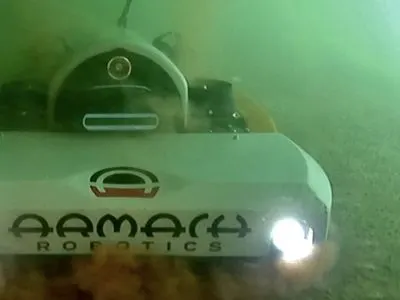
A Norwegian-developed hull crawler that removes fouling and pumps it ashore, run as a service from Southampton and other North Sea ports. Used by cruise lines, car carriers and navies.
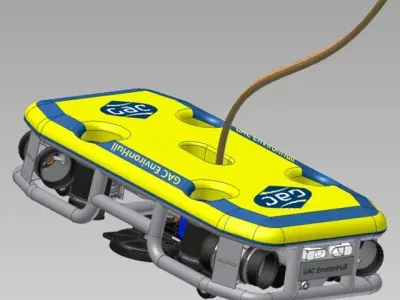
A remotely operated vehicle that cleans ships’ hulls in port with high-pressure water instead of brushes, collecting the debris. For shipowners and port service providers.
Max depth 100 m
Paint removed about 6 to 8 microns per clean (GAC)
An Australian autonomous underwater robot that maps, inspects and lightly brushes hulls often to stop fouling building up. For ferry and commercial vessel operators.
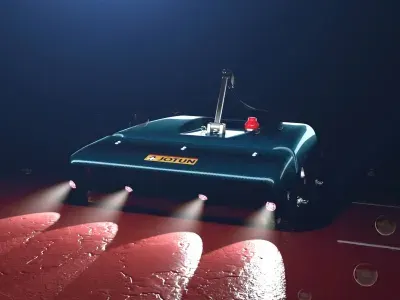
A ship-borne robot that inspects and gently brushes the hull before fouling takes hold, run remotely from shore. Part of Jotun’s Hull Skating Solutions package with its coatings.
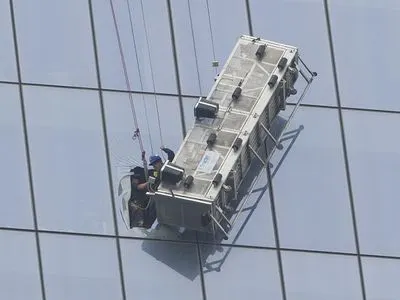
A Dutch cable-driven robot that cleans glass, frames and cladding on building facades without a person at height. Aimed at landlords, developers and facilities managers of mid and high-rise buildings.
Max height about 80 m (maker claim)
Coverage 500 m²/h (EU partnering listing)
Speed claim about 6 times faster than a standard clean
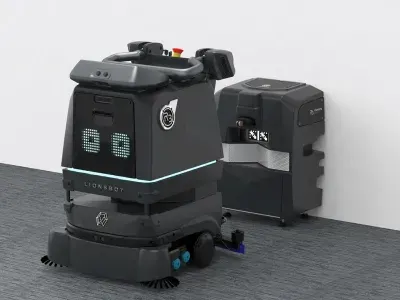
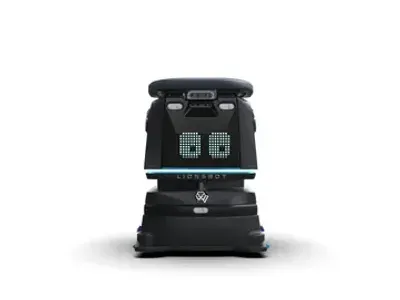
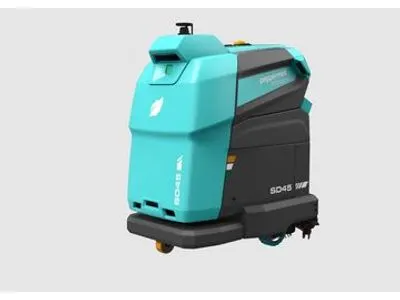
A compact autonomous scrubber-dryer developed with LionsBot for small commercial spaces. Fits shops, offices and washrooms where large robots cannot go.
A Swiss suction-foot robot that climbs and scrubs glass facades, lowered from a roof crane or BMU. It suits contractors cleaning large glazed buildings.
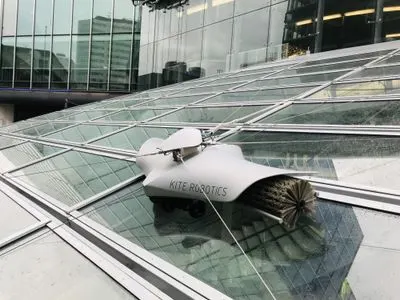
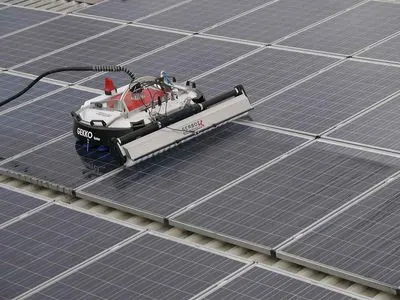
A Swiss suction-foot robot that crawls over solar arrays scrubbing with brushes and demineralised water. For contractors cleaning large rooftops and solar farms.
Water use about 5 L/min
Speed claim about 4 times faster than manual (maker)
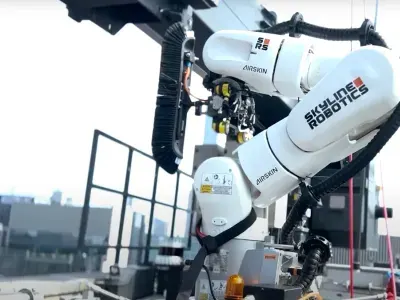
A high-rise window cleaning system that mounts robot arms on a building maintenance unit (BMU) cradle. It is aimed at owners and cleaning contractors of tall glass towers.
Speed claim about 3 times faster than manual cleaning (maker claim)
First deployment 45-storey tower, 1133 Avenue of the Americas, New York
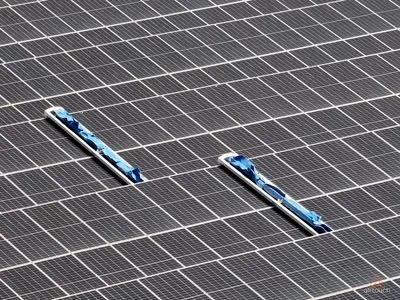
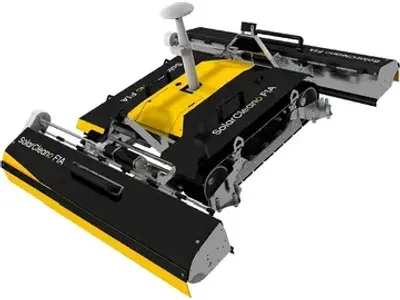
A tracked, remote-controlled robot that drives along solar panel rows brushing off dirt, wet or dry. Built for solar farm operators and panel cleaning contractors.
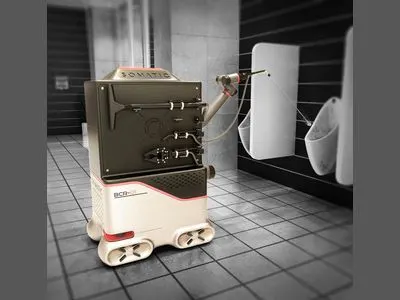
A US robot that cleans commercial restrooms by spraying, wiping, vacuuming and drying, with remote staff teaching it each room in VR. Leased to large sites.
Service up to 40 hours of cleaning a week (reported)
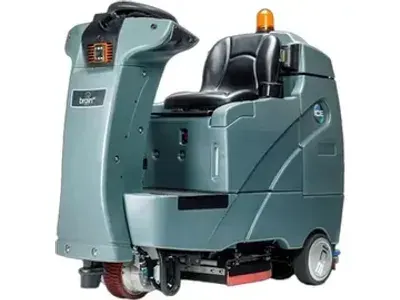
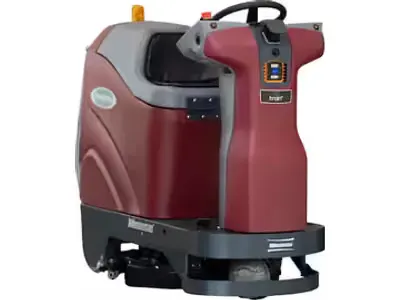
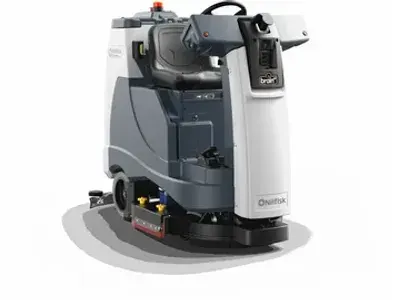
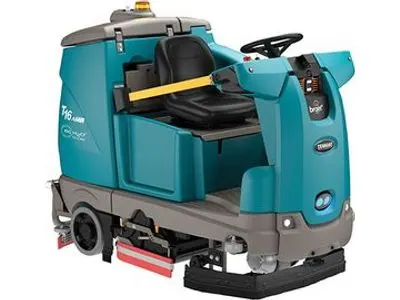
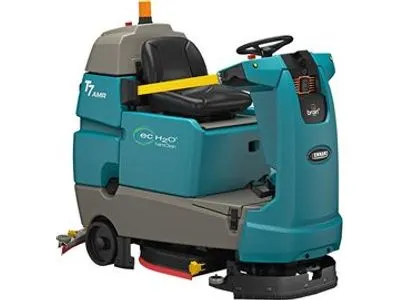
A ride-on micro scrubber-dryer that can be driven by hand or run autonomously on BrainOS. Aimed at large retail, logistics and transport sites that want one machine for both modes.
Cleaning width 650 mm
Squeegee width 850 mm
Coverage up to 2,660 m²/h autonomous (4,250 m²/h manual, theoretical)
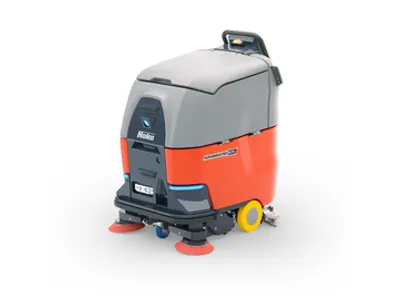
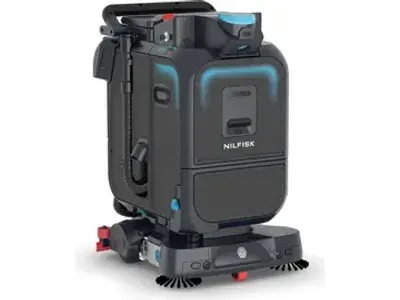
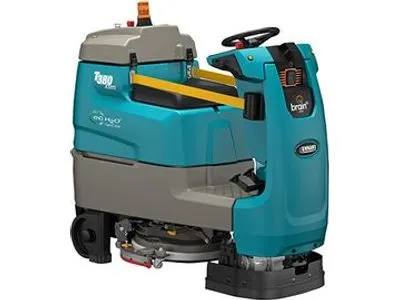
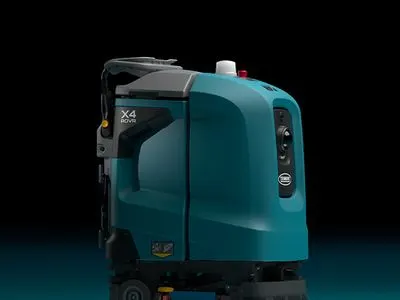
Tennant’s first purpose-built robotic scrubber-dryer, a compact walk-behind-sized machine running BrainOS. For retail, education and healthcare floors where a ride-on is too big.
A Danish autonomous robot that drives through empty rooms shining 254 nm UV-C light to kill pathogens on surfaces. Aimed at hospitals, labs and care settings.
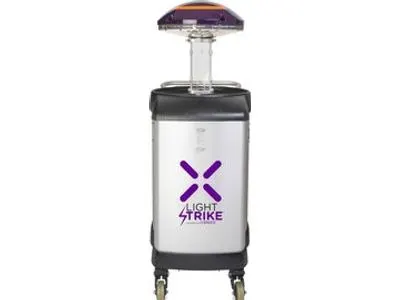
A wheeled pulsed-xenon UV unit that staff position in a room to kill germs in short cycles. Widely used in hospitals, including the NHS.
Cycle time about 4 to 10 min depending on model
UV type Pulsed xenon
$95,000 to $125,000(about £72,398 to £95,260)
Available in the UK
No robots match. Try clearing a filter.
0 selected
Advantages of commercial cleaning robots
Cleans the big open areas on its own
A robot scrubber or vacuum takes the long, repetitive passes across open floor, so cleaners can spend their time on toilets, kitchens, touch points and spills.
The same standard every time
It follows the same route at the same speed with the same water and pressure, and most log what was cleaned and when, which helps with audits and hygiene records.
Works at night and out of hours
Robots can run when the building is empty, so floors are clean for opening without extra night shifts.
Covers more ground per hour
The larger scrubbers cover well over 1,000 m² an hour, which is hard for one person with a walk-behind machine to keep up over a full shift.
Reports you can check
Most send a map and a report after each run to an app, showing what was missed because of obstacles.
Benefits for your business
Lower cleaning cost per square metre once the robot is busy most days
Helps when it is hard to recruit or keep cleaning staff
Fewer slips: floors are dried as they are scrubbed and cleaned more often
Visible cleaning that customers and staff notice, which supports brand and hygiene standards
Data on cleaning frequency for contracts, audits and infection control
What to watch out for
Robots still need someone to empty, fill, check and move them between floors unless they have a docking station and lift integration
They don’t do edges, stairs, under low furniture, toilets or deep stains as well as a person
Cluttered or changing layouts (pallets, events, stock) mean more re-mapping and more missed areas
Up-front cost is high; a robot only pays back if it runs most days on a large area
What commercial cleaning robots cost
Of the 67 robots listed here, 26 have a published or reported purchase price, from about £2,370 to about £73,068. 14 have a published monthly rental or service price, from about £281 to about £2,034 a month. The other 39 are price on request: the maker or dealer quotes for each site.
Makers sell robots in three main ways: outright purchase, a lease or finance deal over three to five years, or robots as a service, a monthly fee that usually includes servicing, software, support and sometimes insurance. Ask for the full cost over the life of the robot, including installation, mapping, docking stations, lift or door integration, training, batteries and consumables such as pads, brushes or blades. Try the payback calculator with your own figures.
Questions
How much does a commercial cleaning robot cost?
Commercial robot scrubbers and vacuums usually cost from the low thousands for small vacuums to tens of thousands of pounds for large scrubber-dryers. Many makers and UK dealers rent them monthly instead, often including servicing and software. See the prices we found on each robot’s page; where no price is published we say so.
Do cleaning robots replace cleaners?
Not usually. They take over the repetitive open-floor work, while people do detail cleaning, toilets, kitchens and anything the robot can’t reach. Most sites redeploy hours rather than cut jobs.
How big an area does a cleaning robot need to be worth it?
As a rule of thumb, robots make most sense where there are several thousand square metres of open hard floor or carpet that are cleaned every day, such as supermarkets, airports, warehouses, hospitals and large offices. Use the payback calculator to try your own figures.
Can a cleaning robot use the lift?
Some can. Several makers offer lift integration so a robot can move between floors on its own, but this needs work with your lift company and is usually an extra cost.
Is it better to buy or rent a cleaning robot?
Renting or robots as a service spreads the cost and usually includes maintenance and software updates, which suits most first-time users. Buying can be cheaper over five years if the robot is used every day and you have someone to look after it.