Pavement delivery robots, indoor delivery robots for hotels and offices, hospital delivery robots and road-going delivery vehicles. What they carry, how far they go and who uses them.
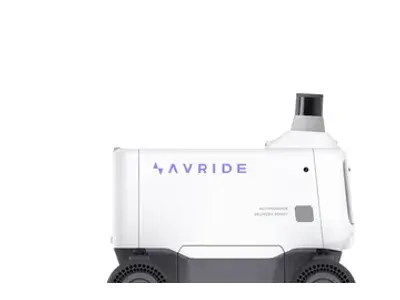
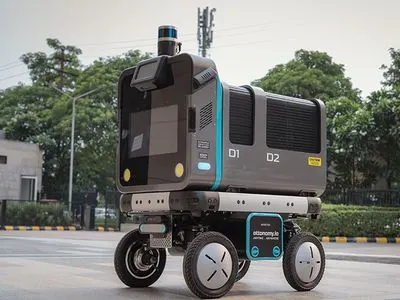
Six-wheeled pavement robot from the Avride self-driving business, delivering restaurant orders for Uber Eats and Grubhub. It runs in Jersey City and other US cities.
Small all-electric six-wheeled robot for short indoor and outdoor deliveries, used on campuses and in food delivery trials. Cartken now focuses more on its larger industrial robots.
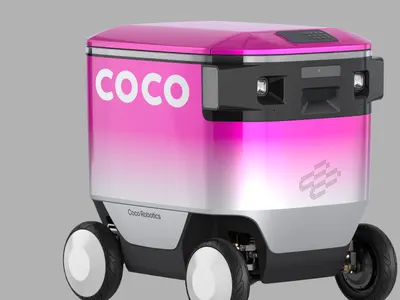
Second-generation Coco robot that can use pavements, bike lanes and streets where allowed. It delivers restaurant orders for Uber Eats, DoorDash and Wolt in US cities.
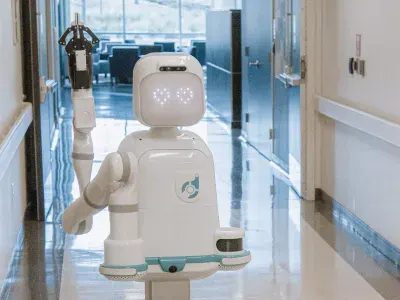
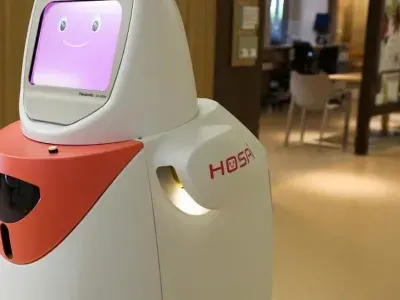
Hospital robot with an arm and secure drawers that fetches lab samples, medicines and supplies for nurses. It opens doors and presses lift buttons itself.
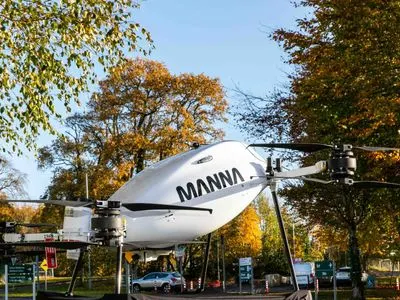
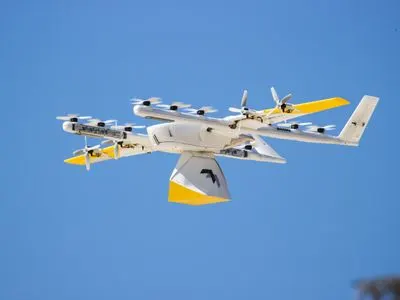
Eight-motor electric drone that lowers food, coffee and parcels into suburban gardens, often within minutes. Run by Dublin-based Manna in Ireland, Europe and the US.
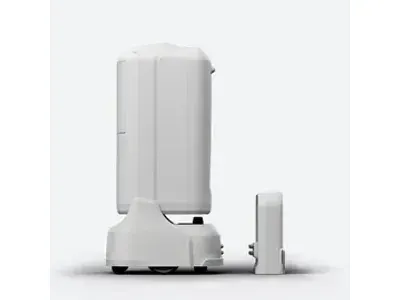
Four-wheel-drive delivery robot that works both indoors and outdoors, used at airports, campuses and hospitals. It has swappable cargo cabins for different jobs.
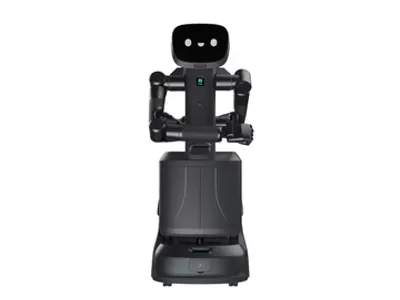
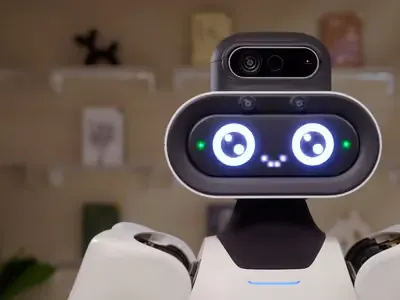
Semi-humanoid version of FlashBot with two arms, so it can press lift buttons, open doors and hand over items itself. Aimed at hotels, offices and hospitals.
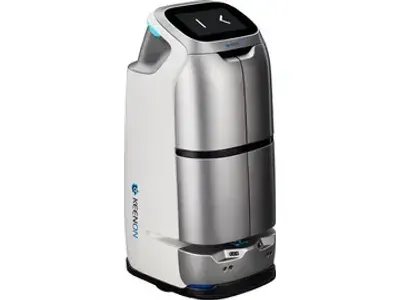
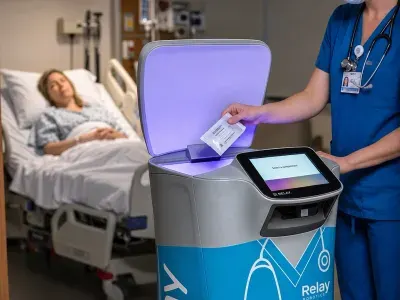
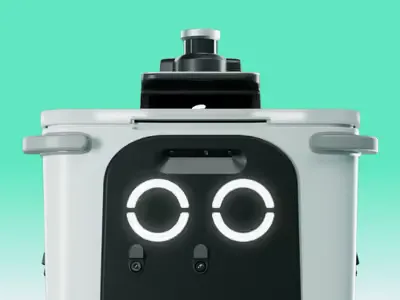
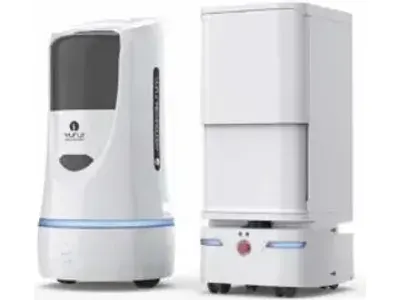
Lidded indoor delivery robot that takes amenities, parcels and room service to hotel rooms, and medicines and samples around hospitals. It calls and rides lifts on its own.
Compact pavement robot best known for food delivery on US university campuses, often run with caterers such as Sodexo. Kiwibot renamed itself Robot.com in October 2025.
Third-generation four-wheeled pavement robot used mainly for Uber Eats food delivery in US cities. It is faster and longer-ranged than earlier Serve robots.
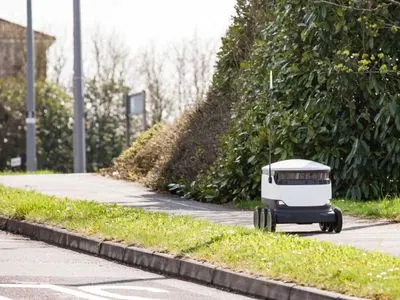
Six-wheeled pavement robot that carries groceries and takeaways over short local trips. It is the most widely deployed delivery robot in the UK, run as a service with partners such as Co-op, Just Eat and Uber Eats.
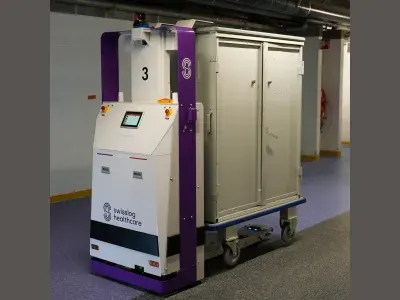
Automated guided vehicle that lifts and moves full hospital carts of meals, linen, waste and supplies on fixed routes. Swisslog sold the next-generation version to an NHS hospital.
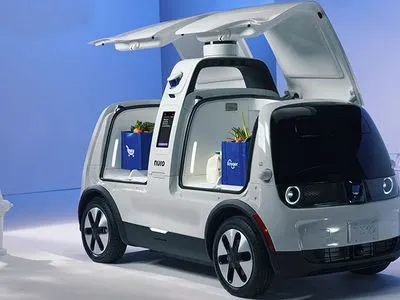
Driverless road vehicle for goods only, with no seats, built to carry groceries and takeaways at road speeds. Nuro has since moved to licensing its driving software rather than running its own vehicles.
Top speed 45 mph (72 km/h)
Cargo volume 27 cu ft (about 0.76 m³)
Payload 500 lb (about 227 kg)
Price on request
UK: check
No robots match. Try clearing a filter.
0 selected
Advantages of delivery robots
Takes the walking out of fetch and carry
Indoor robots run room service, post, linen, meals and samples, so staff don’t spend shifts walking corridors.
Works around the clock
A delivery robot can run 24 hours a day with charging breaks, which suits hospitals, hotels and campuses.
Lower cost per delivery
For short trips, a small electric robot is cheaper to run than a van or a person, which is why food and grocery delivery firms use them.
Locked and tracked
Most have locked compartments opened by a code or app, and every trip is logged.
Benefits for your business
Staff time freed for patients, guests and customers
Fewer short car and van trips in towns and on campuses
Contact-free delivery for hygiene-sensitive settings
Data on every trip for planning
What to watch out for
Pavement robots can only cover short distances and need local approval
Indoor robots need wi-fi, clear corridors and often lift and door integration
Stairs, kerbs, snow and crowds can stop them
Many are only offered as a service in certain cities
What delivery robots cost
Of the 20 robots listed here, 3 have a published or reported purchase price, from about £15,242 to about £27,056. The other 17 are price on request: the maker or dealer quotes for each site.
Makers sell robots in three main ways: outright purchase, a lease or finance deal over three to five years, or robots as a service, a monthly fee that usually includes servicing, software, support and sometimes insurance. Ask for the full cost over the life of the robot, including installation, mapping, docking stations, lift or door integration, training, batteries and consumables such as pads, brushes or blades.
Questions
Are delivery robots legal on UK pavements?
There is no general law that allows them everywhere. Pavement robots have run in UK towns such as Milton Keynes, Northampton, Cambridge and Leeds with local council agreement. Indoor robots on private property don’t need approval.
How much does a delivery robot cost?
Indoor delivery robots are sold or rented by dealers. Rentals usually start at a few hundred pounds a month and purchase prices run from several thousand to tens of thousands of pounds. Pavement robots are usually run as a service by the maker rather than sold.
How much can a delivery robot carry?
Pavement robots carry a few bags of shopping or a takeaway, about 10 to 20 kg. Hospital and hotel robots carry more, and the largest hospital tugs pull carts of several hundred kilograms.
Can delivery robots use lifts?
Many indoor delivery robots can call and ride lifts once they are connected to the lift control system, which needs work with your lift company.
What happens if a delivery robot gets stuck?
Most are watched remotely. An operator can see through the robot’s cameras, help it round an obstacle or send someone to it.