Warehouse robots and autonomous forklifts compared
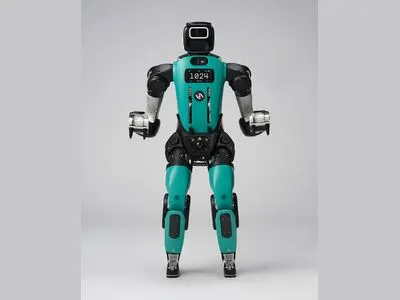
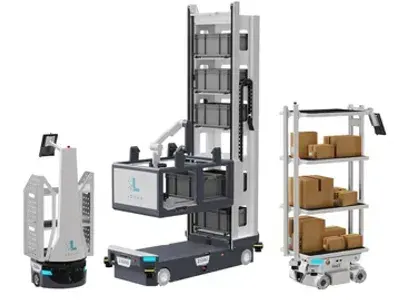
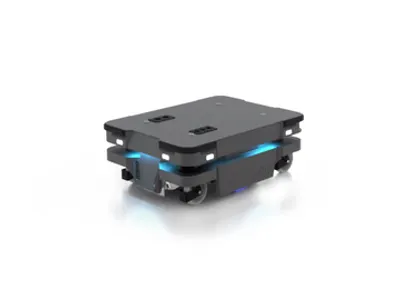
Autonomous mobile robots that move totes, carts and pallets, robot forklifts and humanoid robots for warehouses and factories. Payload, speed, run time and how they are sold.
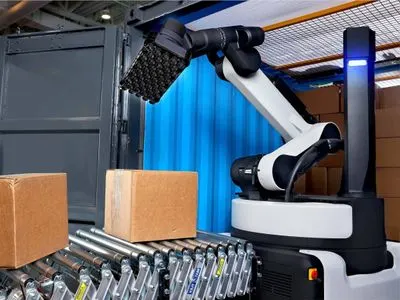
A mobile robot with a large vacuum-gripper arm that unloads boxes from lorries and containers onto conveyors. Built for parcel and distribution centres with heavy inbound volumes.
Throughput 600 to 800 cases/h (Gen 2 claimed up to 1,000)
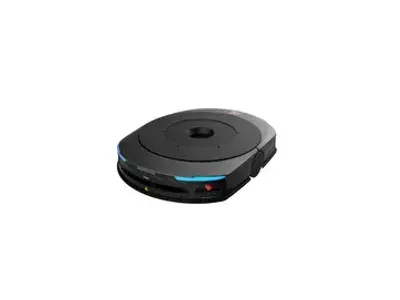
A small picking robot that carries totes to warehouse workers so they walk less. Usually supplied on a robot-as-a-service plan to e-commerce and third-party logistics sites.
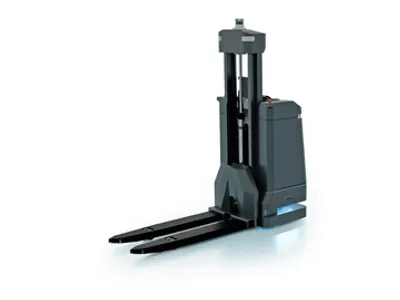
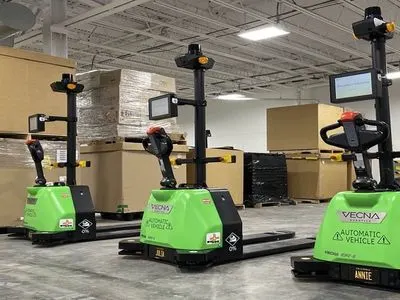
An autonomous pallet jack that uses 3D vision and AI to find and pick pallets from the floor. Designed for moving pallets between docks, storage and production.
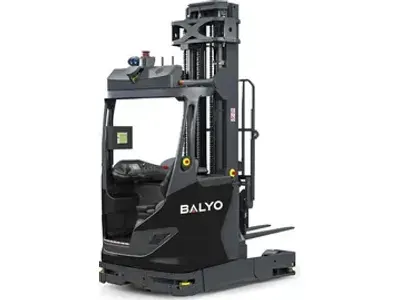
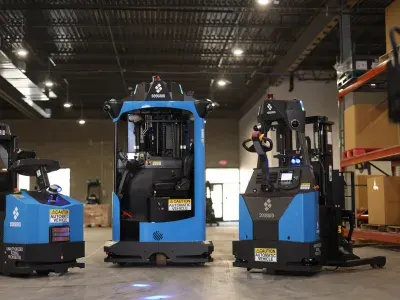
An autonomous counterbalanced lift truck that picks and drops pallets at height using camera-based navigation. Aimed at warehouses moving pallets to racking and conveyors.
A pallet jack, co-developed with Big Joe, that a worker can drive by hand or send off autonomously. Good for long horizontal pallet runs in warehouses.
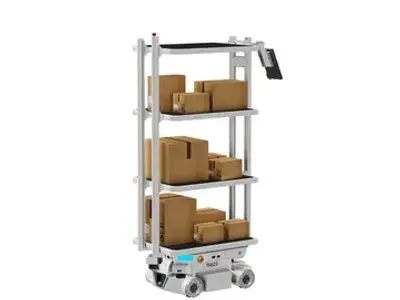
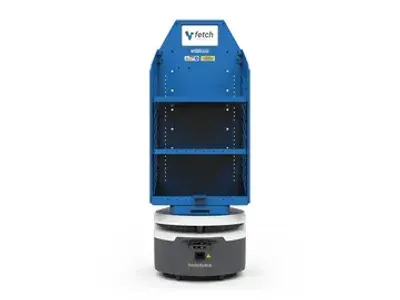
Cart-carrying and shelf AMRs from Fetch, bought by Zebra in 2021. Zebra decided to exit robotics in December 2025 and the business was sold to Skild AI in April 2026, so the range is no longer actively sold.
Price on request
UK: check
No robots match. Try clearing a filter.
0 selected
Advantages of warehouse and logistics robots
Cuts walking in picking
Robots bring shelves or totes to pickers, or follow them round, so people spend less time walking aisles.
Moves loads without a driver
Autonomous tuggers and forklifts move carts and pallets between docks, lines and racking on their own.
Scales with demand
Many are rented, so extra robots can be added for peak season and returned after.
Safer around people
Lidar and safety-rated sensors slow and stop robots near people, with fewer collisions than manually driven trucks.
Benefits for your business
More picks per hour per person
Fewer forklift accidents and damaged stock
Shifts can run longer with the same staff
Detailed data on every move for planning
What to watch out for
Needs good wi-fi, clear floors and well-run warehouse software
Integration with your warehouse management system takes time
Uneven floors, ramps and outdoor yards limit many models
Up-front cost and change management are significant
What warehouse and logistics robots cost
The other 15 are price on request: the maker or dealer quotes for each site.
Makers sell robots in three main ways: outright purchase, a lease or finance deal over three to five years, or robots as a service, a monthly fee that usually includes servicing, software, support and sometimes insurance. Ask for the full cost over the life of the robot, including installation, mapping, docking stations, lift or door integration, training, batteries and consumables such as pads, brushes or blades.
Questions
How much does a warehouse robot cost?
Small autonomous mobile robots cost from about the price of a small car, and robot forklifts more. Most suppliers offer robots as a service per robot per month. Check each robot’s page for the prices we found.
What is an AMR?
An autonomous mobile robot finds its own way with sensors and maps, unlike an older AGV that follows wires, tape or magnets in the floor.
Can warehouse robots work alongside people?
Yes. Most AMRs are built to share aisles with people and slow down or stop when someone is close.
Do I need to change my warehouse for robots?
Usually little: AMRs use the existing layout. Goods-to-person systems and robot forklifts may need racking, charging space and wi-fi changes.
How long does it take to install warehouse robots?
A small fleet of AMRs can run within weeks. Bigger projects that tie into warehouse software usually take a few months.